Living Planet Index


Informing policy
The Living Planet Index (LPI) was first adopted as a policy indicator in 2005 to measure progress towards the first targets established under the Convention on Biological Diversity (CBD) to reduce the rate of biodiversity loss. It played a pivotal role in monitoring progress towards this target. However, according to the suite of 2010 biodiversity indicators, this target was ultimately not met.
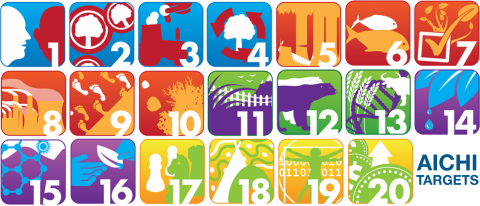
In response, the 193 nations of the CBD adopted a revised Strategic Plan for Biodiversity, including the Aichi Biodiversity Targets , for the 2011-2020 period. These targets called for effective and urgent action to halt biodiversity loss and ensure that ecosystems remained resilient. They placed particular emphasis on maintaining ecosystem services, for which biodiversity plays a vital role. The LPI was an applicable indicator for several of the Strategic Plan’s goals, particularly Goals A–D, which addressed the underlying causes and pressures of biodiversity loss, the state of biodiversity, and the benefits derived from ecosystems.
Following the failure to meet the Aichi Biodiversity Targets, the LPI was incorporated as a component and complementary indicator within three goals and four targets of the Kunming–Montreal Global Biodiversity Framework (GBF). This landmark agreement aims to halt and reverse biodiversity loss by 2030. The LPI therefore continues to serve as an important indicator for assessing progress towards these targets and determining whether global efforts are succeeding in effectively managing biodiversity decline.